50 Years of Opportunity: WSB Celebrates Consortium Anniversary

History isn’t always a thing of the past. This year, the Wisconsin School of Business at the University of Wisconsin–Madison marks its founding role in The Consortium for Graduate Study in Management, which is celebrating its 50th anniversary of enhancing diversity in business education and corporate leadership by providing postgraduate opportunities for underrepresented minorities.
The WSB is one of three business schools—joining Washington University in St. Louis and Indiana University Bloomington in 1966—in a membership that has grown to 18 schools. More than 685 Consortium students have graduated with a Wisconsin MBA. Many have gone on to leadership positions with the more than 80 corporate partners who also make up The Consortium.
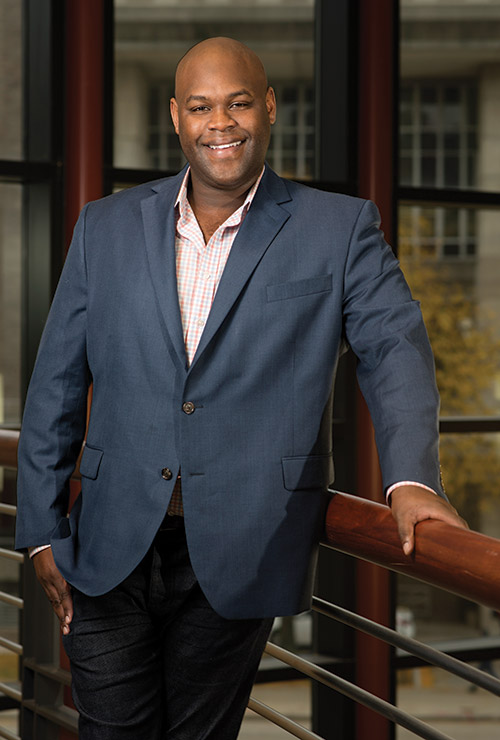
“The Consortium opens doors for all students because once there are Badgers in these companies, they’re pulling others along,” says Blair Sanford, assistant dean of the Wisconsin Full-Time MBA Program. “They’re looking out for their fellow Badgers, whether they are BBAs or other MBAs. It has helped us maintain recruitment relationships with organizations that demand diversity.”
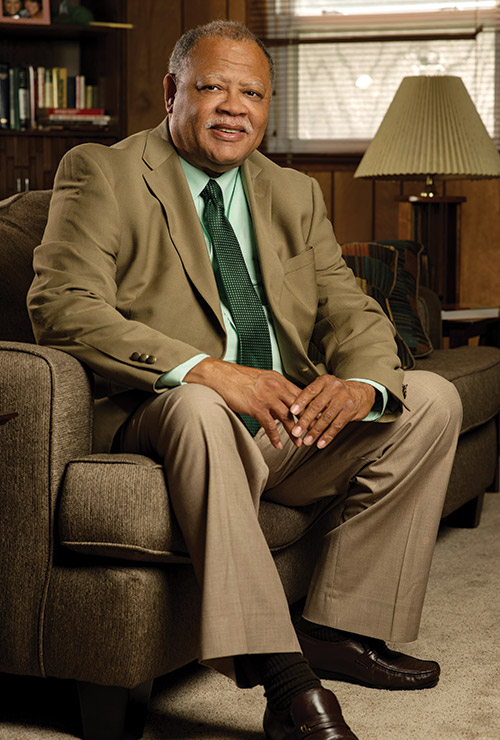
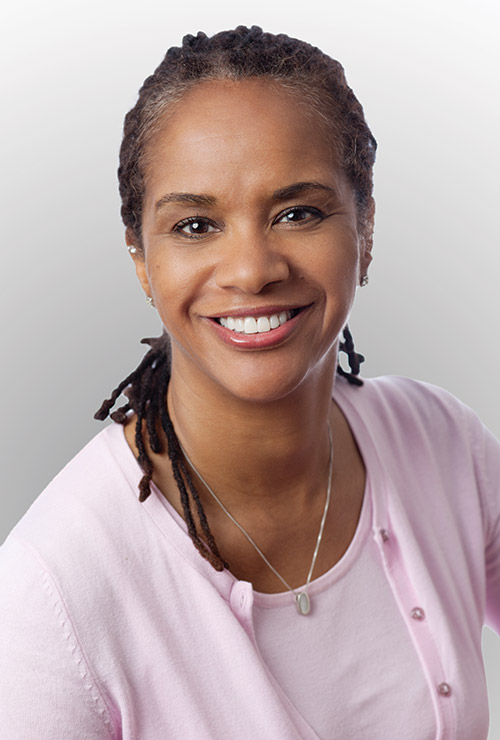
The Wisconsin School of Business was a leader from the beginning. The Consortium’s first graduate, Larry Harris (MBA ’68), came from the WSB, as did the program’s first female graduate, Sandra W. Jones (MBA ’71), the first Native American graduate, Bernard Vigue (MBA ’74), and a member of the class that included the first Hispanic American graduates, Frank Gutierrez (MBA ’72).
Leadership in The Consortium was an early step toward the School’s growing diversity and inclusion efforts. Today the School has a comprehensive diversity strategy with goals and measures of success. Initiatives launched to support that strategy include Lunch and Learn programs designed to enhance awareness and understanding of different experiences for students, faculty, and staff, the EY Global Mindset Initiative, cultural competency for BBA students through The Compass Program™, as well as faculty and staff workshops.
“Race, gender, and socioeconomic status are all characteristics that influence our daily experiences,” says Binnu Palta Hill, assistant dean for diversity and inclusion at the Wisconsin School of Business. “We need to continue building skills that enable us to be empathetic and understanding of others’ experiences in order to foster the inclusive community we all want and expect at the WSB.”